

The Vella Lila and Vella Groga return to Espai Robafaves to uncover their origins 🔎
The Vella Lila and Vella Groga return to Espai Robafaves to uncover their origins 🔎
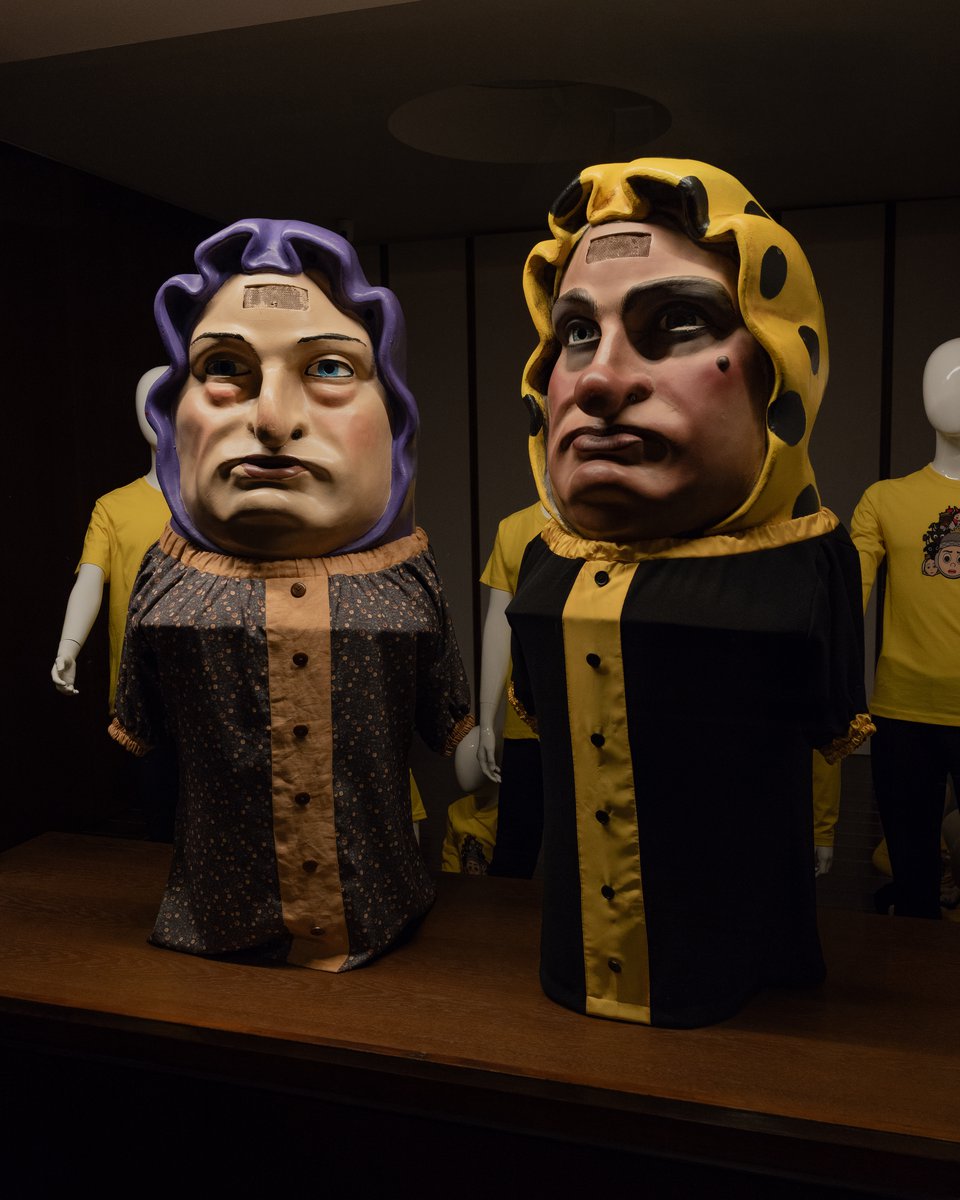
The Vella Lila and Vella Groga from Terrassa return to Espai Robafaves. But this time, their visit goes far beyond a window display: we want to discover where they came from and uncover the story behind these two much-loved figures.
It all began with our April Fools’ Day prank. What started as a joke ended up raising a very real question: what is the origin of these replicas, and what connection do they have with Mataró?
From there, we began a historical investigation that has provided us with some answers, but has also uncovered a mystery that, for now, remains unsolved. 📜🔎
🗓 Dates: 12 to 17 January 2026
⏰ Opening hours: 10:00 am to 1:00 pm and 5:00 pm to 8:00 pm
📍 Location: Espai Robafaves – c/ Montserrat, 7, Mataró
From Terrassa to Mataró: searching for the origins of the figures
Our research takes us back to 1965, when Terrassa unveiled a new set of festive figures, including the Patufet capgròs.
The investigation confirms that these figures are fibreglass replicas of Mataró’s historic nans and Patufet, establishing a direct connection between the festive heritage of the two cities.
Based on our research, the figures were probably the work of Mataró craftsman Josep Maria Diamant. But this is precisely where the story becomes more complicated and an unexpected clue appears.
The mystery of the “Miracle” firm from Mataró
Among the documents we consulted, we found a letter from 1964 preserved in the Arxiu Històric de Terrassa containing a particularly interesting piece of information.
The document states that the figures were commissioned from a firm called “Miracle”, based in Mataró.
The problem is that, so far, we have been unable to find any record of a firm by that name connected with the creation of gegants, nans or other festive figures in Mataró.
So who or what was “Miracle”? Was it the name of a workshop? A surname? A trading name? A name used by a particular person? And what connection might it have had with Josep Maria Diamant?
For now, these questions remain unanswered.
An investigation that is not over yet
Our research has allowed us to confirm the connection between the figures unveiled in Terrassa in 1965 and Mataró’s historic nans and Patufet, but there is still an important piece of the puzzle missing.
That is why we also want to open this investigation to everyone. If anyone has documents, photographs, memories or any information about a firm called “Miracle” operating in Mataró during the 1960s, any clue could be important.
We are also interested in any information that might help identify who could have used or signed with this name in the city.
Sometimes, reconstructing the history of popular culture means exactly that: following small clues, recovering documents and bringing memories together until the pieces of the puzzle begin to fit again. 🔎
A window display for exploring and researching popular culture
The return of the Vella Lila and Vella Groga to Espai Robafaves gives us the opportunity to do something different this time: not simply display two figures, but tell the story that connects them with Mataró and share an investigation that is still ongoing.
This window display is part of the commitment we made at Espai Robafaves in 2023: to bring Catalonia’s popular and festive culture closer to everyone, children and adults alike.
Because getting to know our festive figures also means asking where they came from, who created them and what stories have travelled with them over the years.
CULTURE, TRADITION AND FUN!
🔉 Video audio: @xevialoma
📌 Image rights reserved exclusively for @robafaves_cat. No other use or reproduction is permitted without prior authorisation.
Historical research connects the Terrassa figures with Mataró and leaves one mystery still to be solved
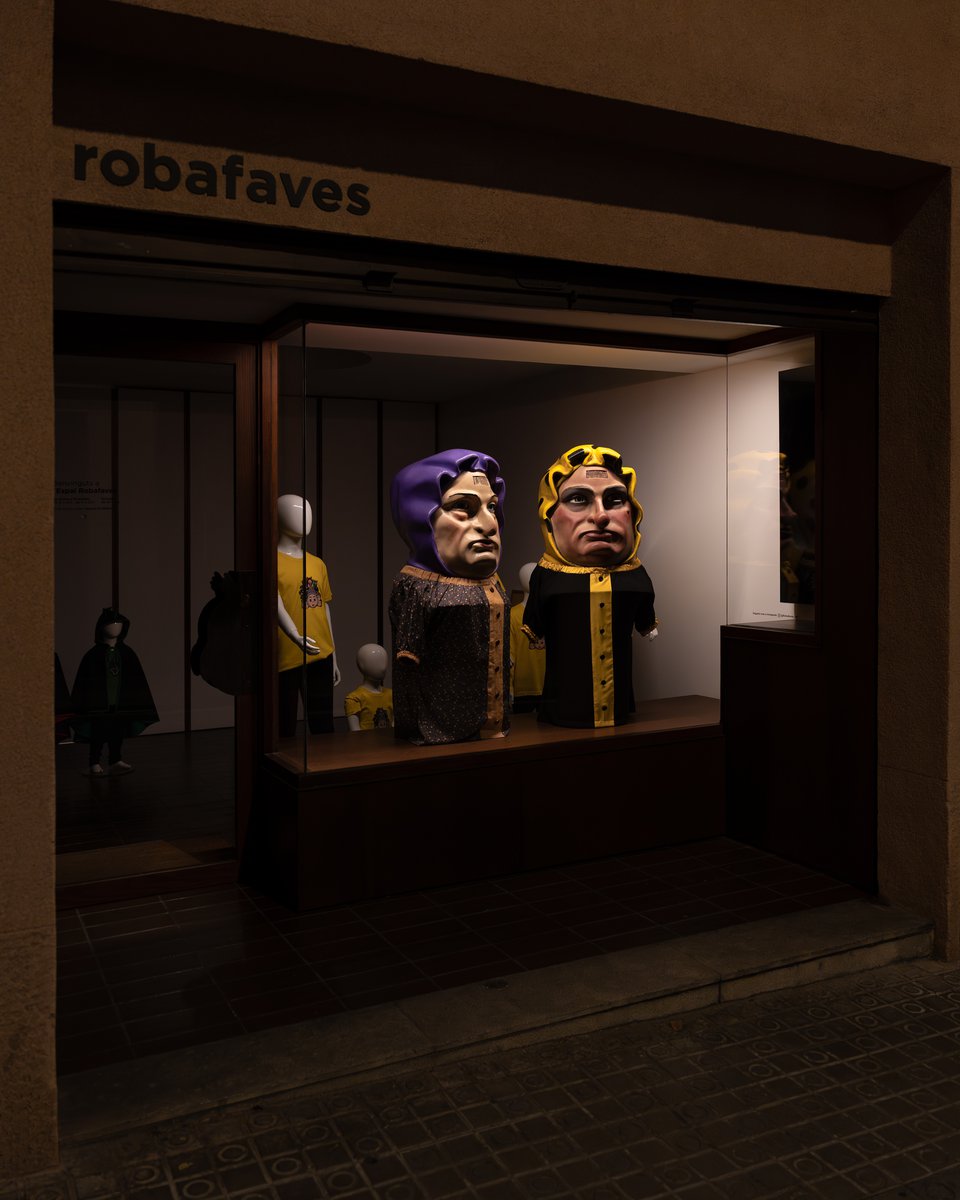
General view of the Vella Lila and Vella Groga from Terrassa in the Robafaves window display
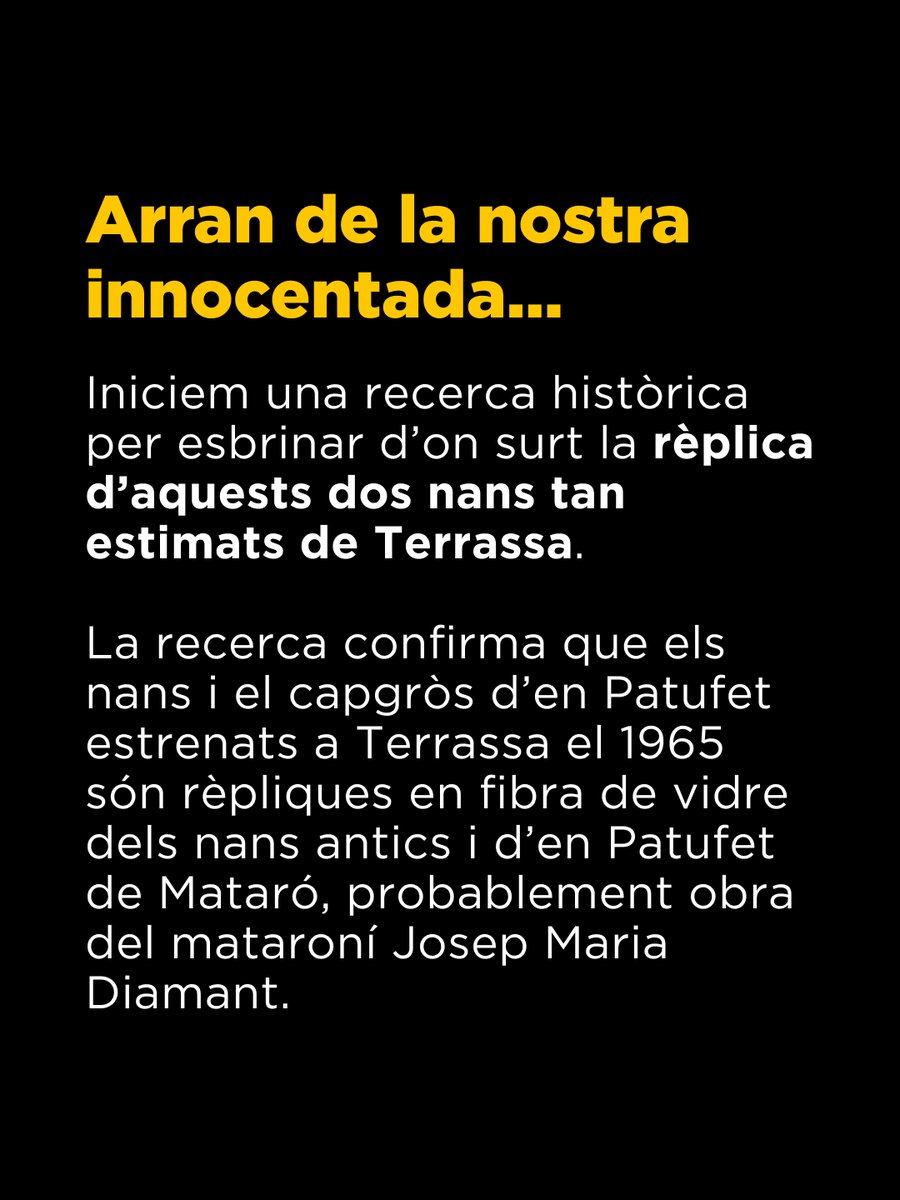
The Robafaves April Fools’ Day prank that led to the historical research
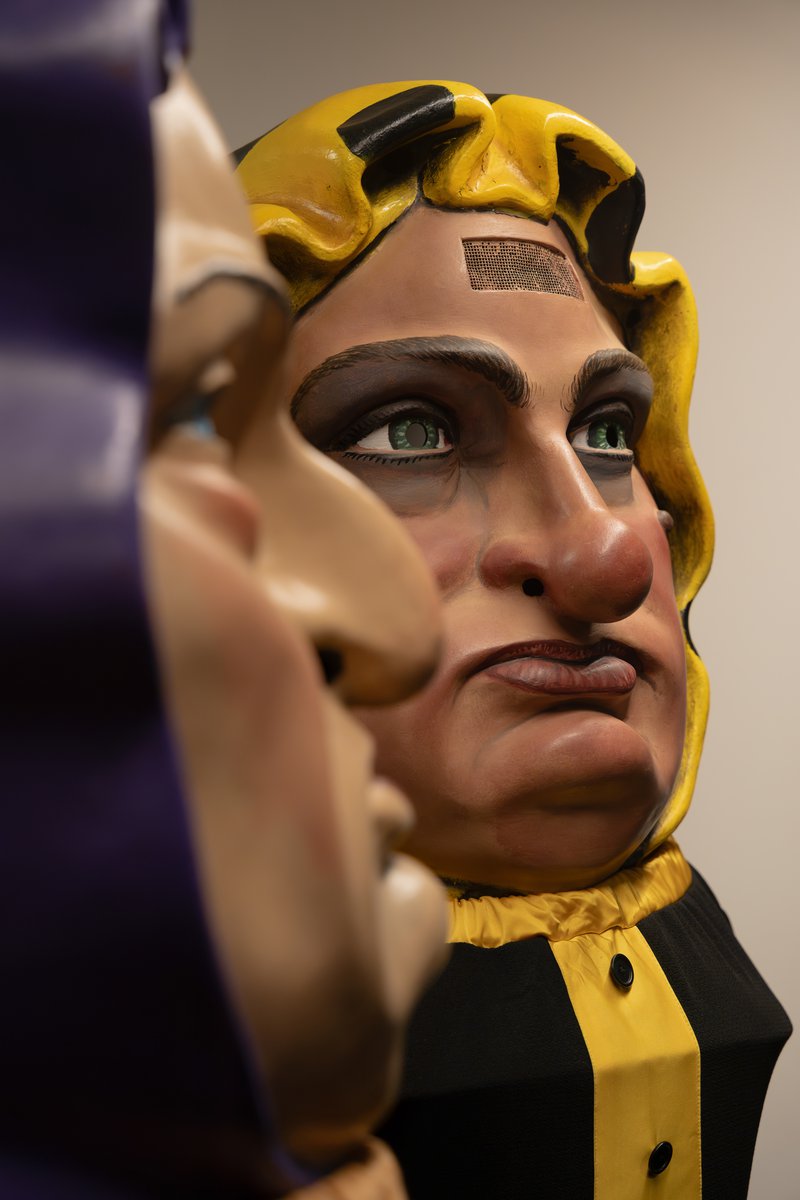
The Vella Lila and Vella Groga from Terrassa, with the Vella Groga in the foreground
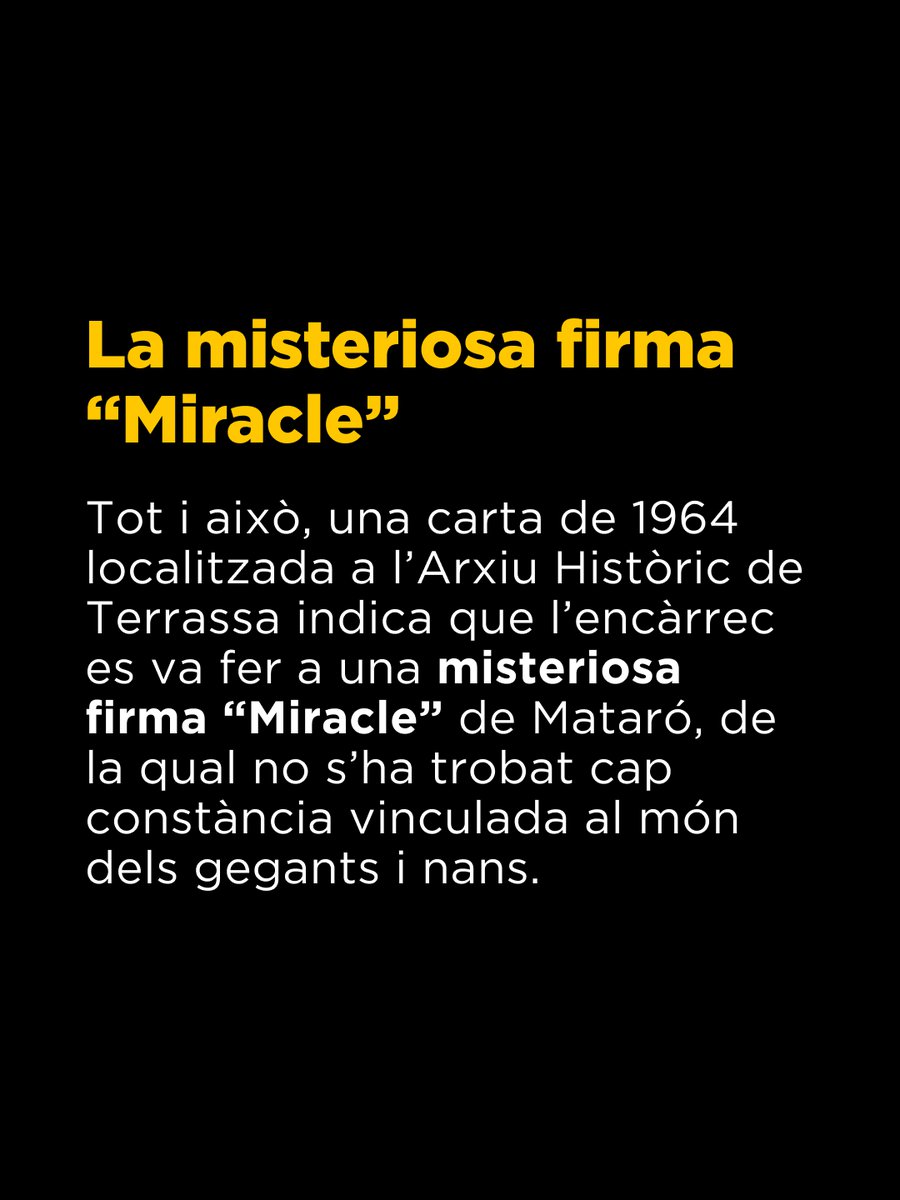
The mysterious “Miracle” firm from Mataró, one of the unanswered questions in the research
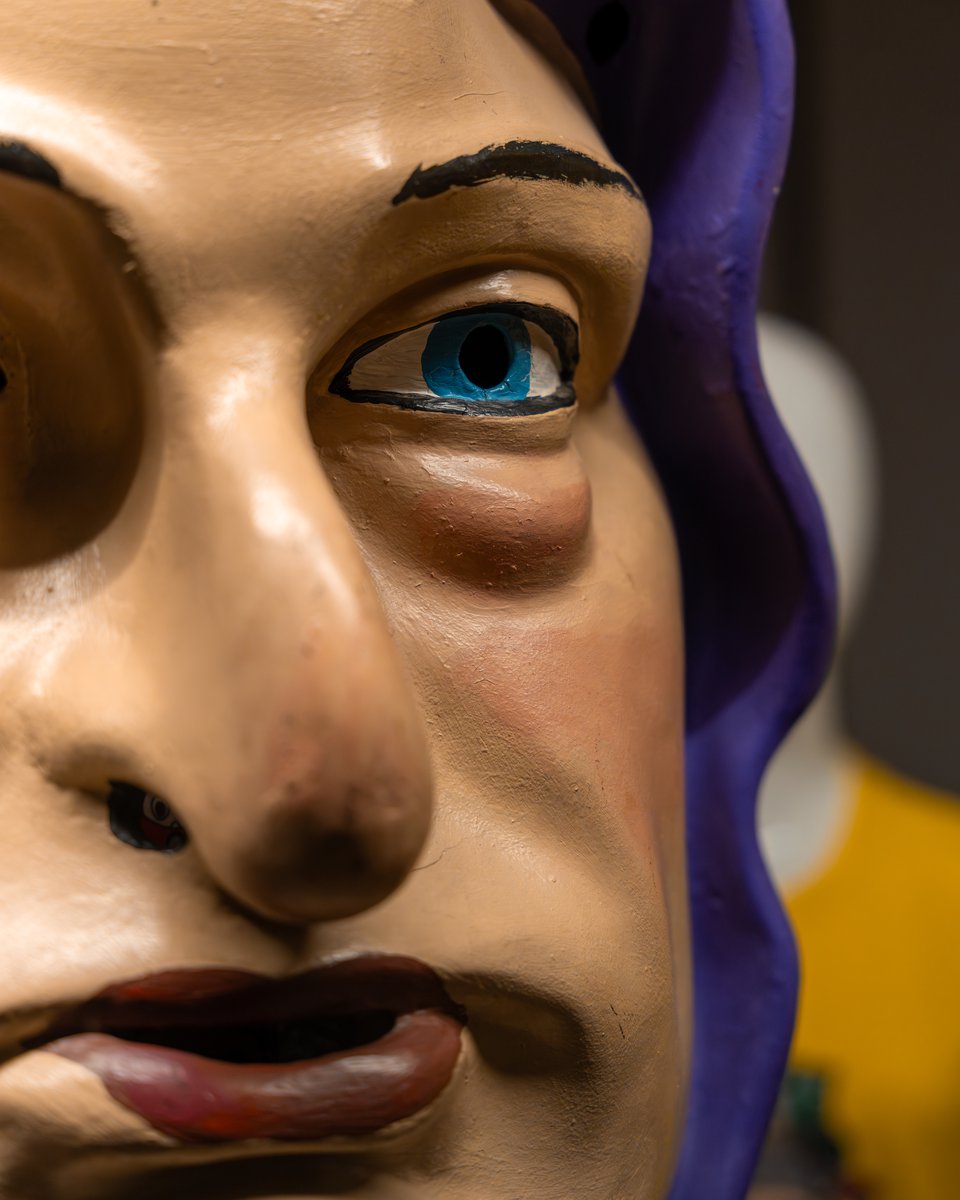
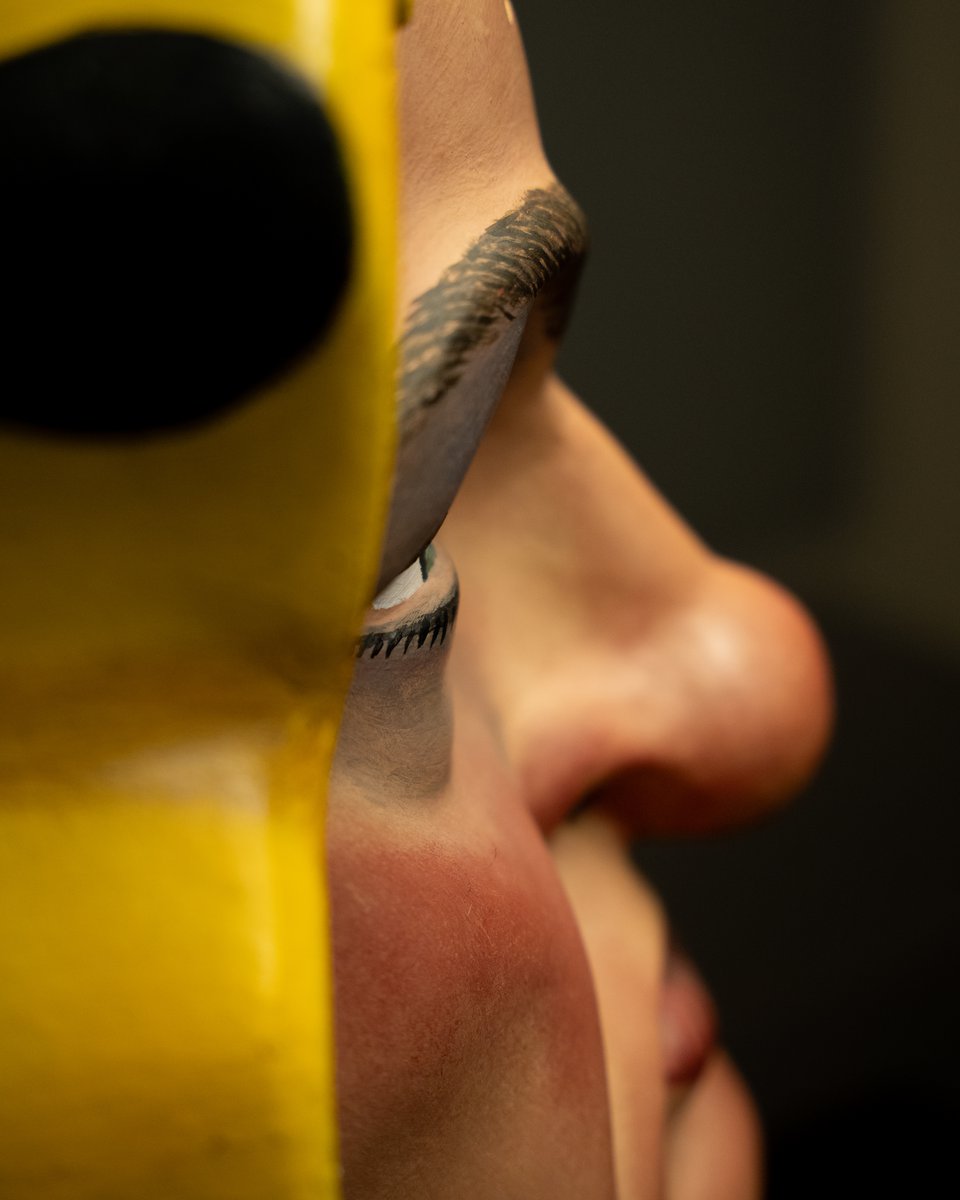
Close-up of the Vella Lila from Terrassa
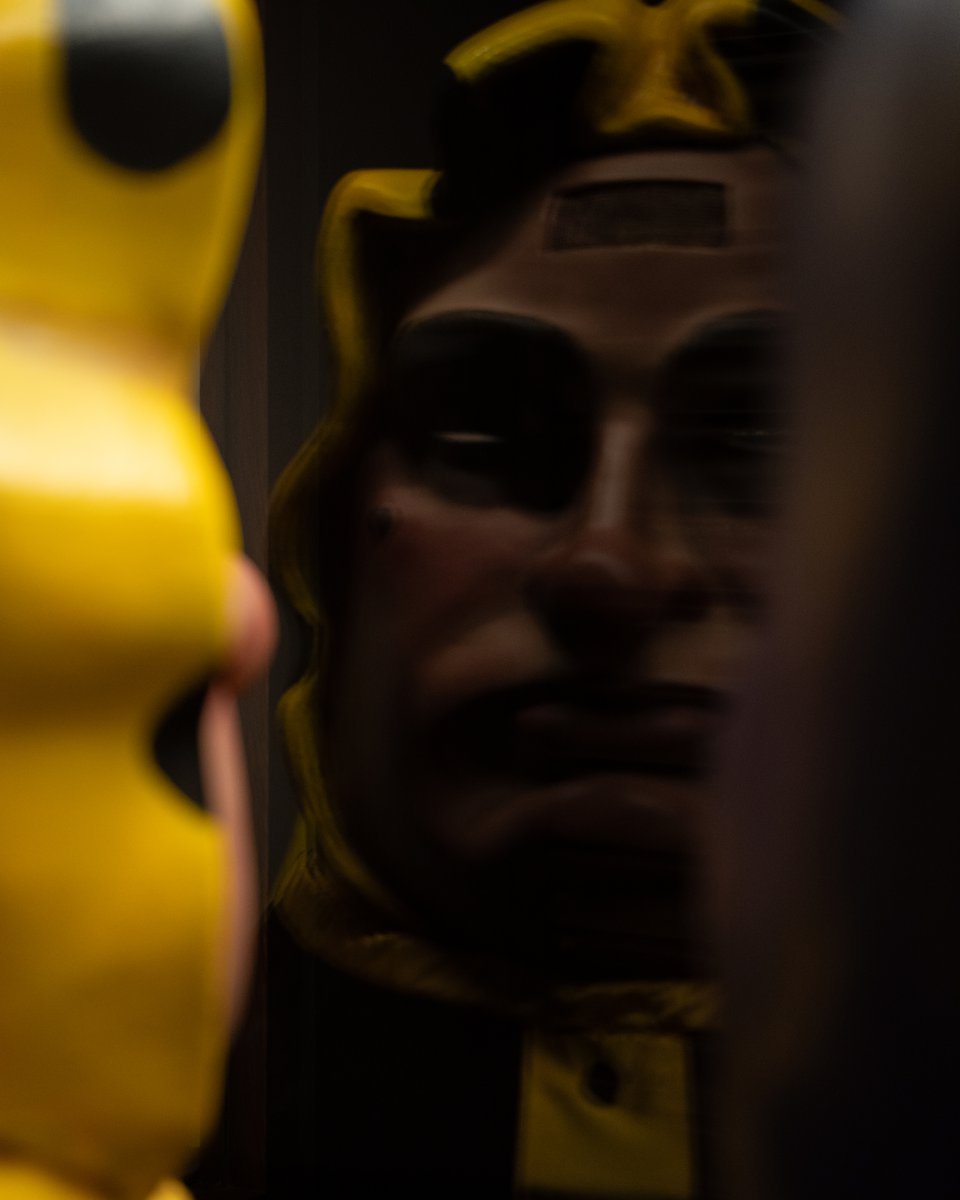
The Vella Groga from Terrassa reflected in the glass
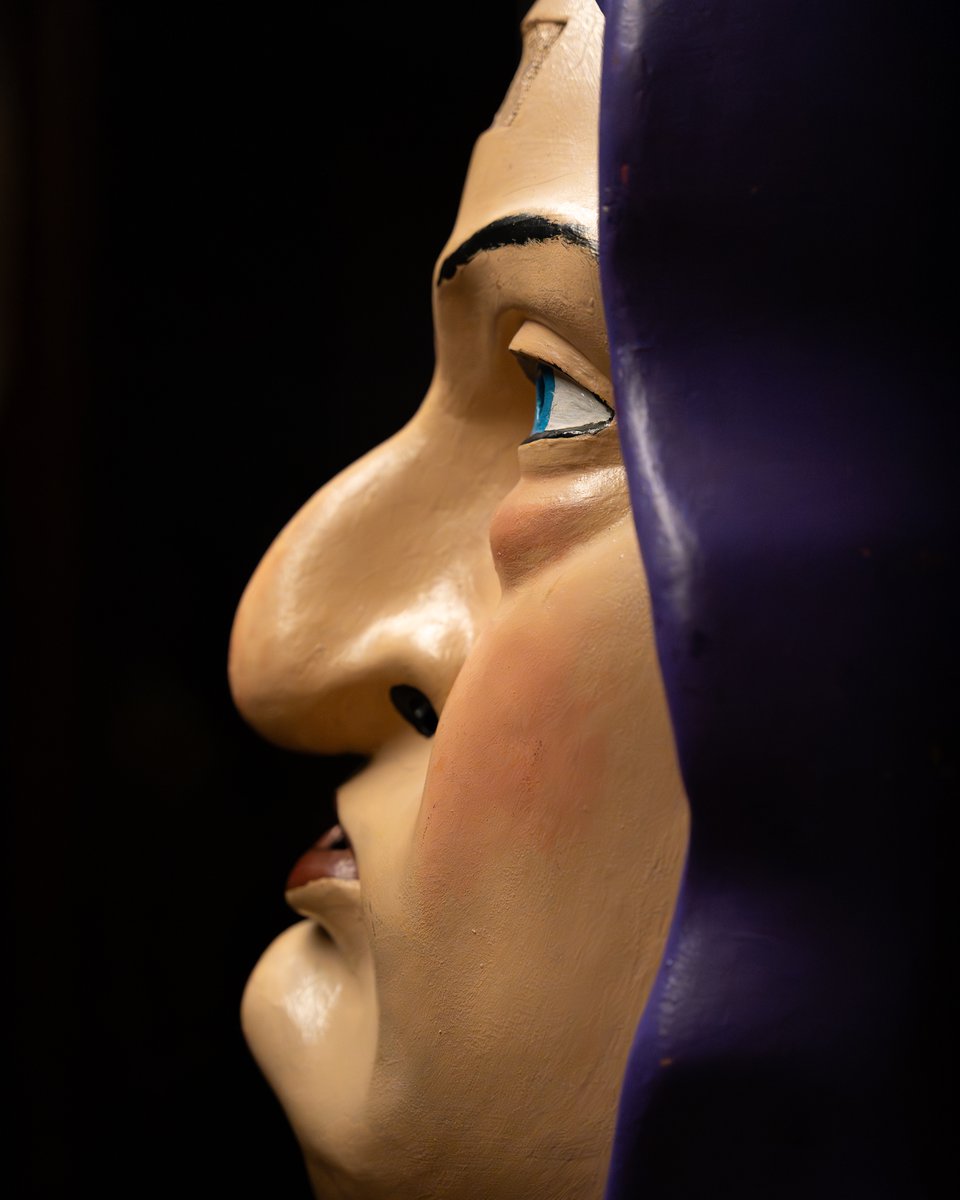
Side view of the Vella Lila from Terrassa