

Dragalió de Mataró
Dragalió de Mataró
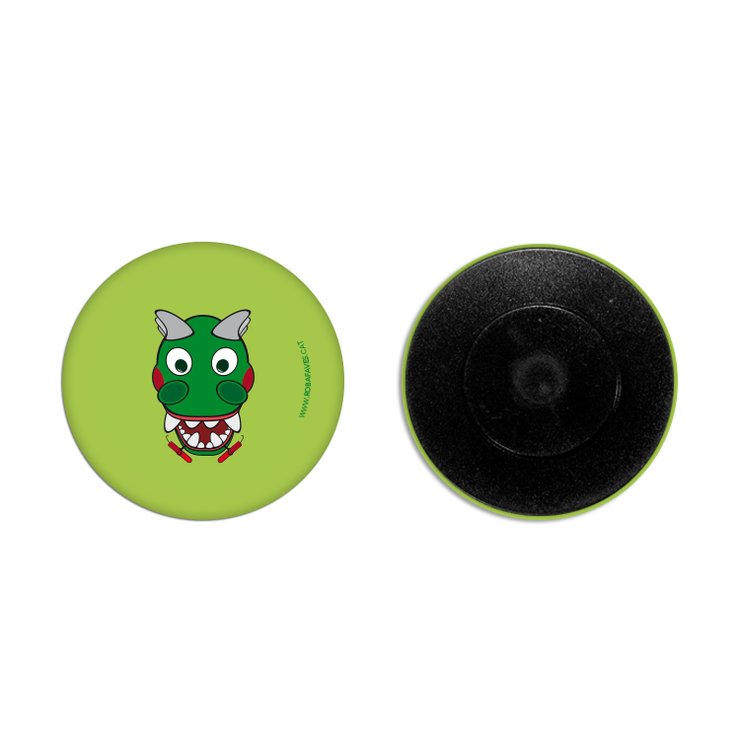
The Dragalió de Mataró is a fire figure closely linked to the Drac de Mataró. According to the figure’s festive story, it was born from the courtship between the Drac de Mataró and the Víbria del Poblenou.
It was first presented as a large egg during Sant Jordi in 2007. On 25 July that same year, the young Dragalió emerged from the egg, coinciding with the beginning of Les Santes.
It is smaller than the Drac, is carried by one person and shares many features with the figure that represents its father. It was designed and built by Xevi Ribas.
History of the Dragalió de Mataró
The Dragalió was created in 2007 as a new figure linked to the Drac de Mataró and intended to introduce younger generations to Mataró’s fire culture.
Its presentation took place in two stages: first, during Sant Jordi, with the appearance of a large egg, and then on 25 July 2007, when the Dragalió emerged from the egg and was officially presented to the city.
The Colla del Dragalió
The Colla del Dragalió is made up of young people from Mataró and includes both bearers and musicians.
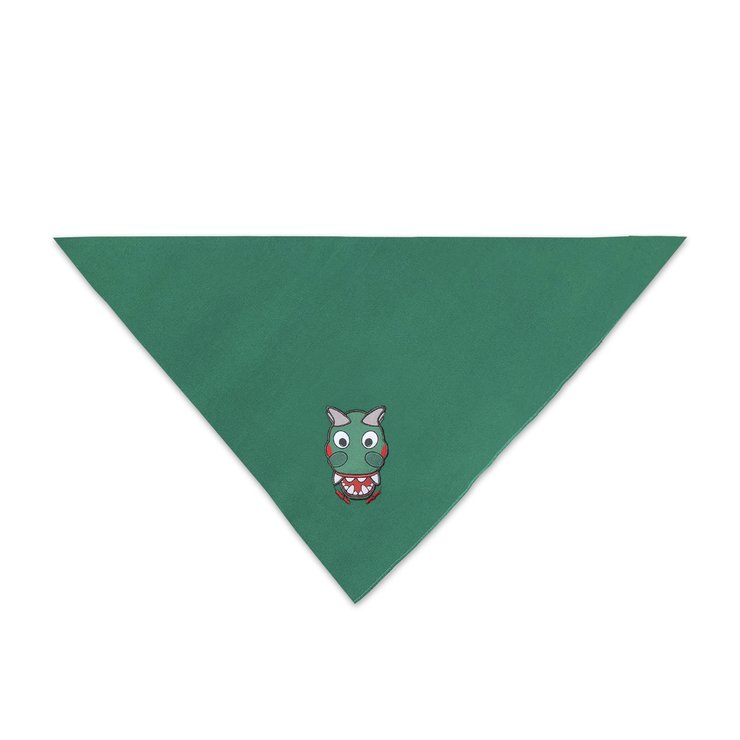
The group has 15 bearers aged between 10 and 16 and 15 musicians aged between 8 and 16. Their costume consists of a hooded jacket, black trousers and a green sash.
The dance of the Dragalió
The Dragalió has its own dance and moves to the rhythm of the tabals.
Its first dance was composed by Michael Weiss. The current dance is by Joan Cot and Matias Lizana.
The choreography combines different rhythms and steps and ends with a succession of turns, stopping as the final pyrotechnics are lit.
The Dragalió during Les Santes in Mataró
The Dragalió takes part in different events during Les Santes in Mataró and has a special presence in fire activities aimed at younger participants.
During the Festa Major, it takes part in the Crida, Correguspira, Anada a Ofici, Passada, Anada a la Residència Sant Josep and Anem a Tancar, among other events.
The Dragalió and the Drac de Mataró
The Dragalió is closely linked to the Drac de Mataró, from which it takes much of its appearance and festive identity.
Both are fire figures from Mataró’s popular culture and take part in different events during Les Santes.
You can discover the Robafaves Family, the Nans and the other figures on our page dedicated to the Giants of Mataró, the Nans and the bestiary.
Frequently asked questions about the Dragalió de Mataró
How was the Dragalió de Mataró born?
According to the figure’s festive story, it was born from the courtship between the Drac de Mataró and the Víbria del Poblenou. It was presented as an egg during Sant Jordi in 2007 and emerged as the Dragalió on 25 July that same year.
When was the Dragalió created?
The Dragalió de Mataró was created in 2007.
Who designed and built the Dragalió?
It was designed and built by Xevi Ribas.
Who makes up the Colla del Dragalió?
The group consists of 15 bearers aged between 10 and 16 and 15 musicians aged between 8 and 16.
What dance does the Dragalió perform?
Its first dance was composed by Michael Weiss. The current dance is by Joan Cot and Matias Lizana and is performed to the rhythm of the tabals.
What is the Correguspira?
It is one of the fire events during Les Santes in which the Dragalió takes part, together with other children’s fire figures and groups.
When does the Dragalió appear?
One of the times of year when it is most present in the streets is during Les Santes, from 25 to 29 July, at events including the Crida, Correguspira, Anada a Ofici, Passada and Anem a Tancar.
Where can I buy Dragalió de Mataró products?
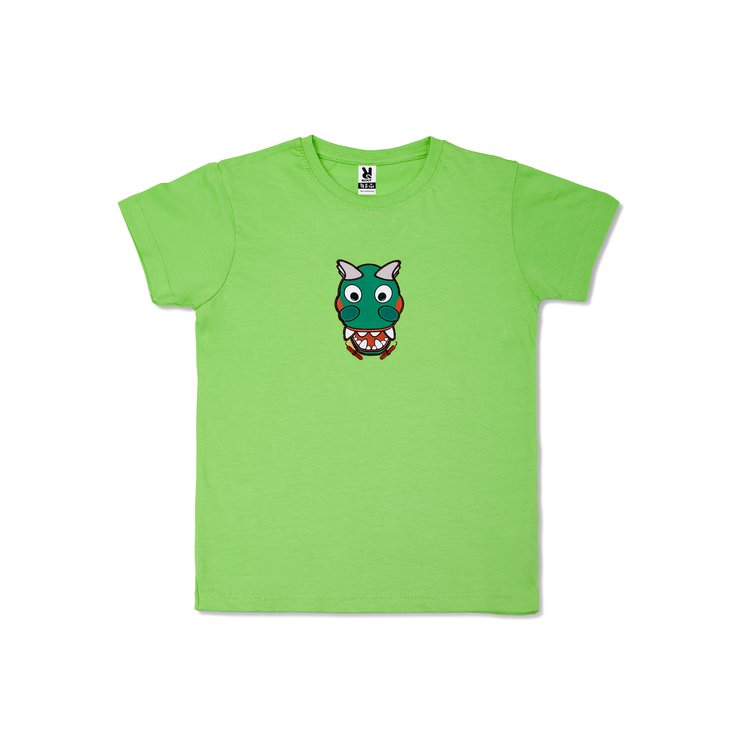
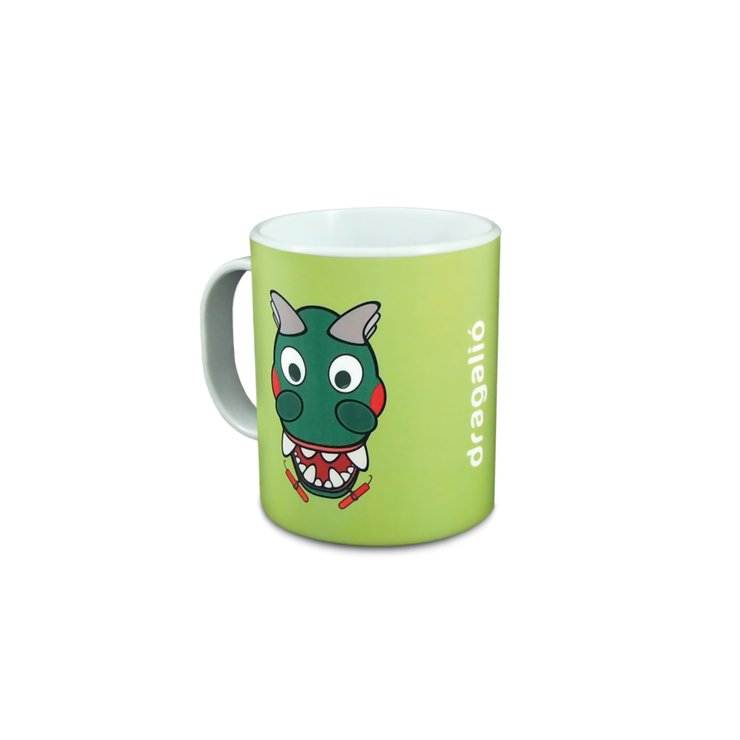
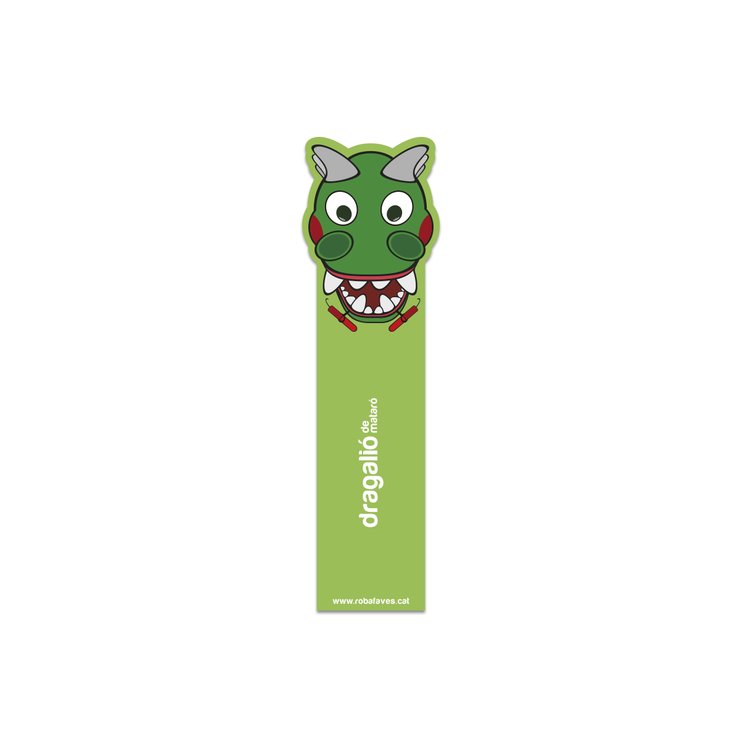
You can find Dragalió de Mataró products in the Robafaves online shop or in person at Espai Robafaves, at 7 Carrer de Montserrat in Mataró. These include correfoc scarves, T-shirts, mugs and other products related to Les Santes.