


Les Santes de Mataró — Festa Major from 25 to 29 July
Les Santes de Mataró — Festa Major from 25 to 29 July
Les Santes is Mataró's Festa Major and is held every year at the end of July. During these days, the streets fill with giants, fire, music, parades and events that continue well into the night.
Les Santes was declared a Heritage Festival of National Interest by the Government of Catalonia in 2010 and is included in the Catalogue of Catalonia's Festive Heritage. For the people of Mataró, Les Santes is much more than a few days on the calendar: the festival is part of the life and history of the city.
When is Les Santes in Mataró?
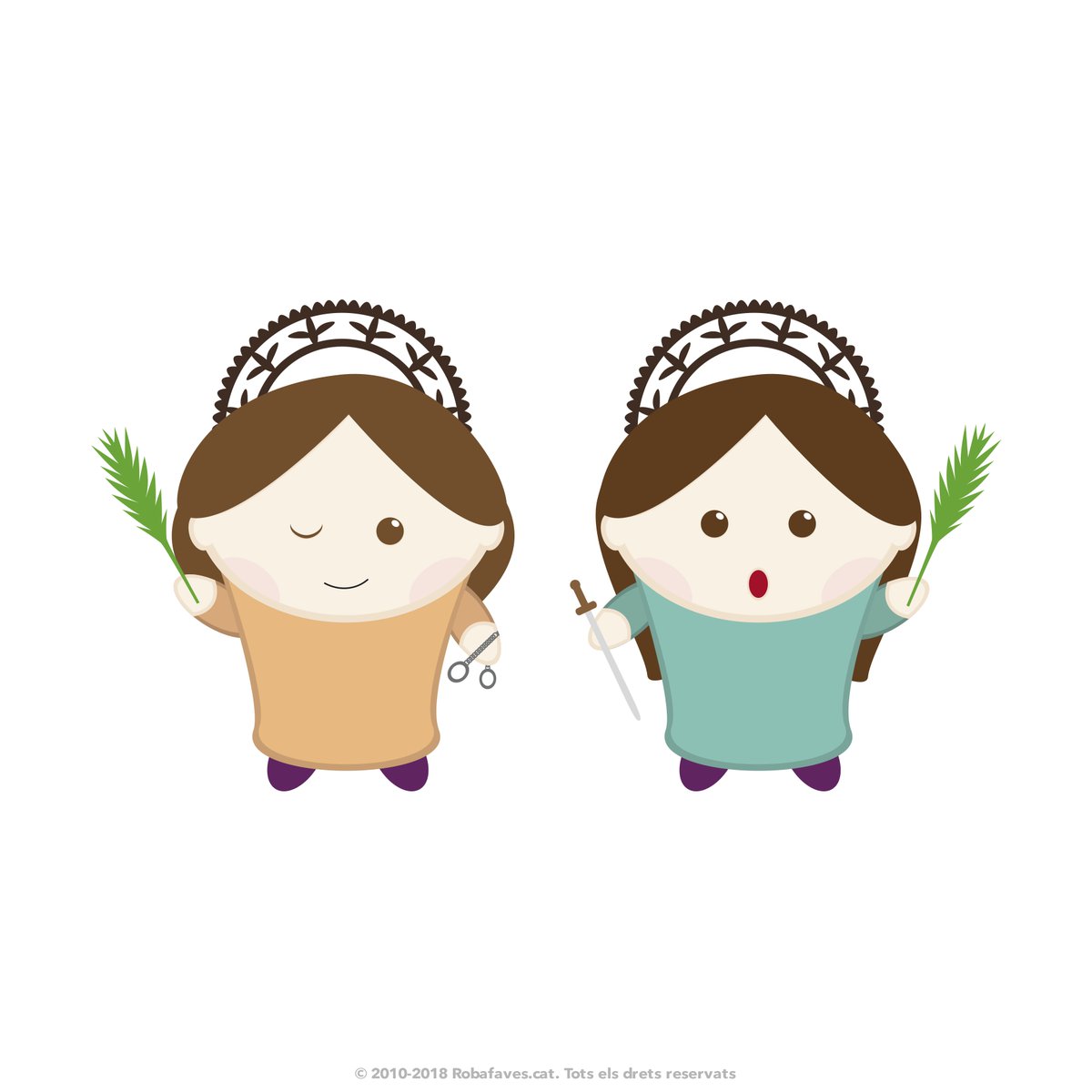
Les Santes is held every year from 25 to 29 July in honour of Saint Juliana and Saint Semproniana, the patron saints of Mataró since 1852. The main day is 27 July, the Diada de Les Santes, with the Missa de Glòria at the Basilica of Santa Maria and the Castell de Focs fireworks display on the beach.
The festival, however, begins to make its presence felt a few days earlier with the Portal: the Estrena and Proclama de l’Herald on 19 July, followed by the Toc de Novena from the bells of Santa Maria and the Gegantada on 24 July.
The three heritage elements of Les Santes
The Government of Catalonia recognised three elements of Les Santes for their history and their connection with Mataró's Festa Major:
La Missa de les Santes: Every year on the morning of 27 July, the Missa de Glòria for choir and orchestra, composed by Mataró-born Manuel Blanch in 1848, is performed live. It is an almost operatic work performed by a community choir at the Basilica of Santa Maria.
The Robafaves Family and the Nans: Robafaves, the Geganta, Toneta and Maneló dance to the sound of the flabiol and tamborí. They have been accompanied by the Nans of Mataró since 1864. The Giants have been documented since the late 17th century and form part of the city's official festive procession.
La Dormida: This is the ritual in which the figures of the procession dance in front of Mataró City Hall, from smallest to largest, beginning with the Nans and ending with Robafaves. After each figure finishes its own dance, it enters City Hall to cries of «No n’hi ha prou!». At the end, the Giants lie down before entering the lobby, where they will «sleep» until their next appearance.
The main events of Les Santes
La Gegantada (24 July): A parade that brings together giants from across the city before the official start of Les Santes. The Robafaves Family and the Nans take part alongside figures from Mataró's neighbourhoods, organisations and schools.
La Crida (25 July): The mayor officially opens the Festa Major from the balcony of Mataró City Hall. A string of firecrackers is set off and the official festive groups perform their dances before the first Dormida of Les Santes.
La Nit Boja (night of 25 July): A succession of events beginning with the Desvetllament Bellugós and El Bequetero. It continues with the Convidada of the Robafaves Family in Plaça de Santa Anna, followed by the Escapada a Negra Nit, the Pujada Tabalada and, in the early hours of the morning, the Ruixada.
La Tarda Guillada (26 July): The children's version of the Nit Boja. De parranda, the Convidadeta, the Correguspira with the Momeroteta and Dragalió, the Pujada Tabaladeta and the Ruixadeta give younger children their own sequence of Festa Major events.
La Passada (27 July): One of the major parades of Les Santes. The Giants of Mataró, the Nans and the figures of the official festive procession make their way through the streets of the city centre. It ends with the afternoon Dormida.
El Castell de Focs (night of 27 July): On the night of the Diada de Les Santes, crowds head down to the beach to watch the Castell de Focs fireworks display. Traditionally, the show ends with the words «Glòria a Les Santes» written in lights.
El No n’hi ha prou (28 July): After the final Dormida of the Festa Major, the Diablesses, Momerota, Drac, Àliga and the Giants come back out of City Hall and dance among the crowd to live music. The name of the event itself sums up the feeling that nobody wants Les Santes to end just yet.
L’Anem a Tancar (29 July): The final parade of the official festive procession. The figures make their last journey through the streets before returning to City Hall. The final rockets and firecrackers announce the end of Les Santes.
A brief history of Les Santes
The origins of Les Santes are linked to devotion to Saint Juliana and Saint Semproniana. Over the years, new events were added to the religious celebration, gradually shaping Mataró's Festa Major.
Two important events took place in Mataró in 1848: the opening of the first railway line on the Iberian Peninsula, between Barcelona and Mataró, and the premiere of Manuel Blanch's Missa de Glòria. In 1852, Saint Juliana and Saint Semproniana were chosen as the patron saints of Mataró.
In the late 1970s, a group of young people from the Foment Mataroní promoted the renewal of the Festa Major under the slogan «Les Santes, fem-ne Festa Major». From those years onwards, traditional events were revived and new ones were created, shaping much of Les Santes as we know it today.
Frequently asked questions about Les Santes in Mataró
When is Les Santes in Mataró?
Les Santes is held every year from 25 to 29 July in honour of Saint Juliana and Saint Semproniana, the patron saints of Mataró since 1852.
What is the main day of Les Santes?
27 July is the Diada de Les Santes and the main day of Mataró's Festa Major.
When does Les Santes actually begin?
The Portal of the festival begins on 19 July with the Estrena and Proclama de l’Herald. La Crida, which officially opens the Festa Major, takes place on 25 July.
Where does the Nit Boja take place?
The Nit Boja begins in front of Mataró City Hall with the Desvetllament Bellugós, heads down La Riera to Plaça de Santa Anna and continues with the different events of the night until the Ruixada.
Who are the Giants of Mataró?
The Robafaves Family consists of Robafaves, the Geganta, Toneta and Maneló. During Les Santes, they are accompanied by the Nans of Mataró in different events of the official festive procession.
What are the main events of Les Santes?
Some of the main events of Les Santes are the Gegantada, Crida, Nit Boja, Tarda Guillada, Passada, Castell de Focs, No n’hi ha prou and Anem a Tancar.
Where can I buy Les Santes products?
At Robafaves you can find Les Santes and Giants of Mataró products all year round, both at our shop in Mataró and online, including T-shirts, magnets, games and other products related to the Festa Major.