


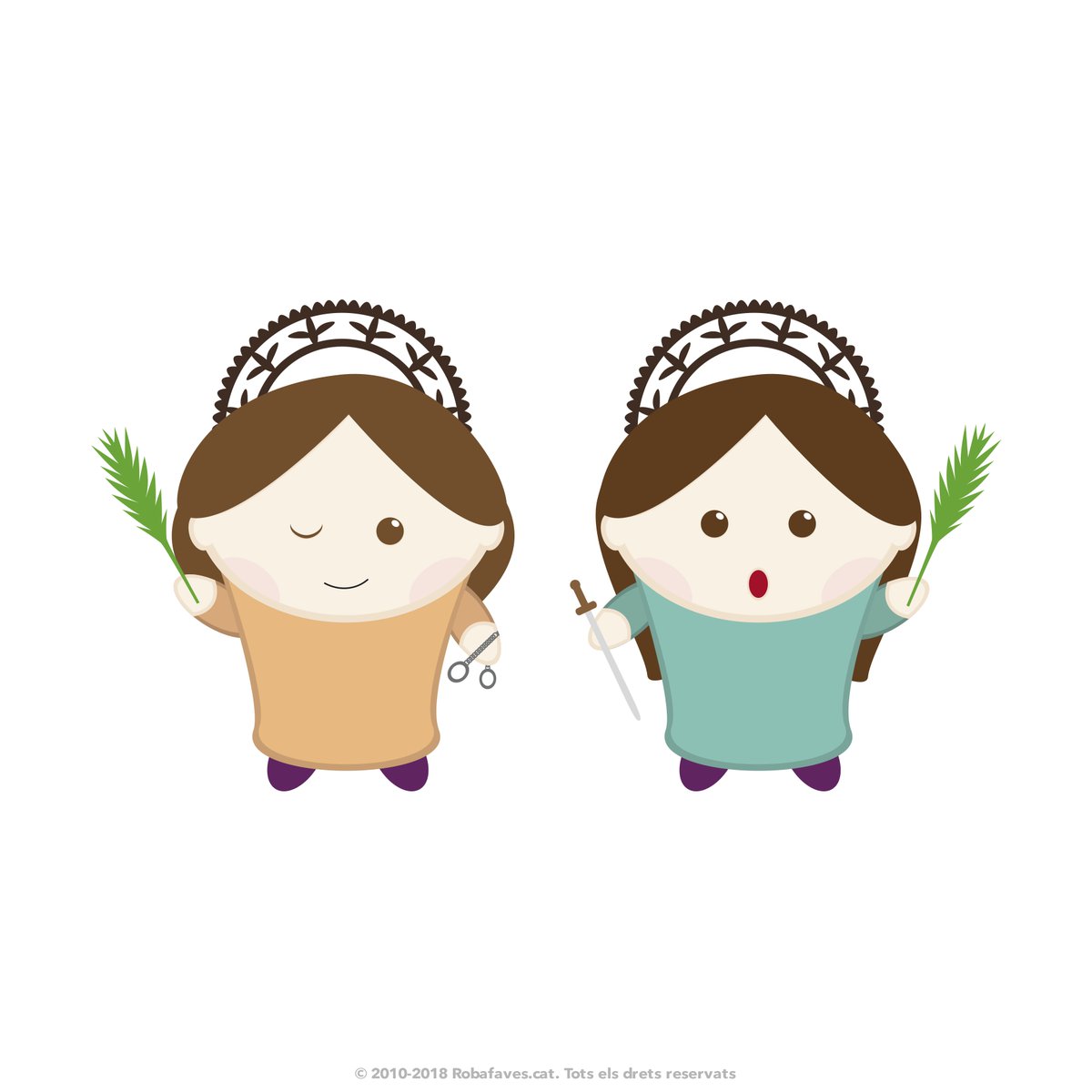
Les Santes de Mataró — Mataró's Big Festival, July 25–29
Les Santes de Mataró — Mataró's Big Festival, July 25–29
Les Santes is Mataró’s Festa Major, a midsummer celebration that divides the year into two halves: before and after Les Santes. For a whole week, the people of Mataró take to the streets, the giants dance until the early hours of the morning and fire fills the city.
Declared a Heritage Festival of National Interest by the Government of Catalonia in 2010 and included in the Catalogue of Catalonia’s Festive Heritage, Les Santes is no ordinary celebration. It is Mataró’s festival. Mataró cannot be understood without Les Santes.
When is Les Santes in Mataró?
Les Santes takes place every year from 25 to 29 July, in honour of Saint Juliana and Saint Semproniana, the patron saints of Mataró since 1852. The main day is 27 July, the Diada de Les Santes, featuring the Missa de Glòria at the Basilica of Santa Maria and the Castell de Focs fireworks display on the beach.
The celebrations are announced several days earlier with the Portal: the Estrena and the Herald’s Proclamation on 19 July, the Toc de Novena played on the bells of Santa Maria and the Gegantada on 24 July.
The three heritage elements of Les Santes
The Government of Catalonia has recognised three elements of Les Santes for their historical and cultural significance:
La Missa de les Santes: Every year on the morning of 27 July, the Missa de Glòria for choir and orchestra, composed by Mataró musician Manuel Blanch in 1848, is performed live. With an almost operatic character, it is performed by a community choir at the Basilica of Santa Maria and is one of the most distinctive pieces of Les Santes’ musical and liturgical heritage.
La Família Robafaves with the Nans: Robafaves, the Geganta, Toneta and Maneló dance to the sound of the flabiol and tamborí. Since 1864, they have been accompanied by a group of 18 Nans. Documented since the 17th century, the Giants and Nans are among the most emblematic elements of Mataró’s institutional festive figures.
La Dormida: The ritual in which the festive figures dance in front of Mataró City Hall, from smallest to largest, beginning with the Nans and ending with Robafaves. When each figure finishes its own dance, it enters City Hall to the cries of «No n’hi ha prou!». It is called the Dormida because, at the end, the Giants lie down before entering the lobby, where they will «sleep» until their next appearance.
Essential events of Les Santes
La Gegantada (24 July): A parade that brings together giants from across the city and celebrates the arrival of the Festa Major. The Família Robafaves and the Nans take part alongside figures representing neighbourhoods, organisations and schools.
La Crida (25 July): The mayor officially announces the beginning of the Festa Major from the balcony of Mataró City Hall. A string of firecrackers is lit and the first Dormida begins. From this moment on, the events follow one another almost without pause.
La Nit Boja (night of 25 July): The most intense sequence of interconnected events of Les Santes: the Desvetllament Bellugós to the sound of El Bequetero, the Convidada de la Família Robafaves in Plaça de Santa Anna, the Escapada a Negra Nit — the festival’s major correfoc — followed by the Pujada Tabalada and the late-night Ruixada. A night without respite.
La Tarda Guillada (26 July): The children’s version of the Nit Boja. De parranda, the Convidadeta, the Correguspira with the Momeroteta and Dragalió, the Pujada Tabaladeta and the Ruixadeta bring the Festa Major to its youngest participants.
La Passada (27 July): The main and longest parade of Les Santes. The Giants, Nans and other figures of the institutional festive procession make their way through the streets of central Mataró, bringing the festival closer to the whole city. It ends with the afternoon Dormida.
El Castell de Focs (night of 27 July): One of the most popular events of Les Santes. The city heads down to the beach to enjoy a major fireworks display, traditionally ending with the words «Glòria a Les Santes» illuminated in lights.
El No n’hi ha prou (28 July): The final Dormida of the Festa Major, the wildest and one of the most eagerly awaited. The Diablesses, Momerota, Drac, Àliga and the Giants dance among the crowd to live music as everyone calls for the festival not to end.
L’Anem a Tancar (29 July): The final parade of the festive figures. Accompanied by the people of Mataró, the figures make their way back until the following year. The final rockets and a string of firecrackers mark the end of Les Santes.
A brief history of Les Santes
The origins of Les Santes are linked to the devotion to Saint Juliana and Saint Semproniana. Over time, the religious celebration evolved into Mataró’s Festa Major.
1848 was a particularly significant year for the city: the first railway line on the Iberian Peninsula, between Barcelona and Mataró, was inaugurated, and Manuel Blanch’s Missa de Glòria was performed for the first time. In 1852, Saint Juliana and Saint Semproniana were chosen as the patron saints of Mataró.
Towards the end of Franco’s dictatorship, a group of young people from the Foment Mataroní promoted a profound renewal of the Festa Major under the slogan «Les Santes, fem-ne Festa Major». Since then, the festival has continued to grow, becoming one of the main symbols of Mataró’s identity and sense of belonging.
Frequently asked questions about Les Santes in Mataró
When is Les Santes in Mataró?
Les Santes takes place every year from 25 to 29 July, in honour of Saint Juliana and Saint Semproniana, the patron saints of Mataró since 1852.
What is the main day of Les Santes?
27 July is the Diada de Les Santes and the main day of Mataró’s Festa Major.
When does Les Santes actually begin?
The Portal of the festival begins on 19 July with the Estrena and the Herald’s Proclamation. La Crida, which officially marks the beginning of the Festa Major, takes place on 25 July.
Where does the Nit Boja take place?
The Nit Boja begins in front of Mataró City Hall, continues down La Riera to Plaça de Santa Anna and carries on with the different events of the night until the Ruixada.
Who are the Giants of Mataró?
The Família Robafaves consists of Robafaves, the Geganta, Toneta and Maneló, accompanied by the Nans during various events of Les Santes.
Where can I buy Les Santes products?
At Robafaves you can find T-shirts, magnets, games and other products featuring the Giants of Mataró and Les Santes, available all year round at our physical shop in Mataró and through our online shop.