

Robafaves, the Giant of Mataró
Robafaves, the Giant of Mataró
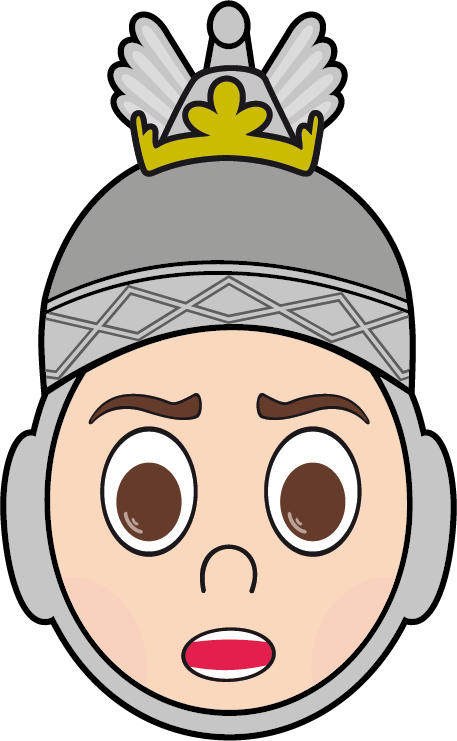
Robafaves is one of the Giants of Mataró and the head of the Robafaves Family. Tall, large and stern-faced, he is dressed as a medieval warrior, with a helmet, cape, chain mail and sword. His appearance is inspired by King James I the Conqueror.
On his chest he wears three or four medals, depending on the occasion. In his left hand he carries a scroll with the legend explaining the origin of his name, while his right hand holds his cape. Together with Geganta, Toneta and Maneló, he is one of the main figures of Les Santes, Mataró's Festa Major.
History of Robafaves
The Giants of Mataró have been documented since the late 17th century, but the Robafaves we know today is the result of different constructions, restorations and transformations over the years.
In 1964, the construction of the current Robafaves was commissioned to Josep Maria Diamant i Montañés, who created new volumes in polyester to reduce its weight and improve its resistance.
In 1984, Mataró City Council registered the Giants as part of the city's public heritage. Robafaves was taken to the workshop of Manel Casserres in Solsona, who kept the metal structures but completely remodelled his appearance, returning to cardboard for the head and hands.
A new costume was also created by Llorenç Illa. In 1992, Manel Casserres renewed Robafaves' costume once again.
In 2014, Mataró City Council renewed his costume again, this time by Manuel Casserres, while maintaining the appearance that had defined the figure over the previous years.
The dances of Robafaves
Robafaves dances to the sound of the flabiol players during processions and at different moments of Les Santes.
During the Dormida, Robafaves and Geganta dance La Masurca, from the repertoire of flabiol player Quirze Perich. Afterwards, Robafaves, Geganta, Toneta and Maneló dance El Ball de Quatre together, composed by Carles Arabia. The choreography for these dances is by Montserrat Calsapeu.
Robafaves during Les Santes in Mataró
Robafaves takes part in many of the events of Les Santes in Mataró. Together with Geganta, Toneta and Maneló, he forms the Robafaves Family, which is part of the city's institutional festive procession.
During the Festa Major, he can be seen at the Crida, Desvetllament Bellugós, Anada a Ofici, Passada, Anada a la Residència Sant Josep, No n’hi ha prou and Anem a Tancar, among other events.
Outside Les Santes, one of his regular appearances is on Sant Jordi, 23 April.
The legend of Robafaves
According to popular legend, the town of Argentona once invited the Giants of Mataró to dance. After the festivities, while returning to Mataró, the giant bearers saw some large, beautiful broad beans growing beside the road.
The bearers put the Giants down and, after making sure nobody was watching, began picking the beans. As they could not fit them all in their pockets, they hid them under the Giant's cape and continued on their way.
As they were about to reach the City Hall, children surrounded them and asked the Giants to dance. The bearers were reluctant, but eventually had to make them dance.
As the Giant spun around, the beans hidden beneath his cape began falling to the ground. When people saw them, they began shouting: «He stole beans! He stole beans!»
This is the legend traditionally associated with the origin of the name Robafaves. The name was first officially documented in 1888.
Robafaves and the Robafaves Family
Robafaves forms the Robafaves Family together with Geganta, Toneta and Maneló. The four are Mataró's institutional Giants and appear together at many events during Les Santes.
The Robafaves Family is accompanied by the 18 Nans de Mataró and forms part of the institutional festive procession alongside other figures from the city's popular culture.
You can discover the history of the whole family, the Nans and the other figures on our page dedicated to the Giants of Mataró.
Frequently asked questions about Robafaves
Who is Robafaves?
Robafaves is one of the four Giants that make up the Robafaves Family and one of the Giants of Mataró. His appearance is inspired by King James I the Conqueror.
Why is he called Robafaves?
According to popular legend, the bearers of the Giants of Mataró picked broad beans while returning from Argentona and hid them beneath the Giant's cape. When they made him dance on arriving in Mataró, the beans fell to the ground and people shouted «He stole beans!». The name was first officially documented in 1888.
Who inspired the appearance of Robafaves?
His appearance is inspired by King James I the Conqueror. He wears a helmet, cape, chain mail and sword, giving him the appearance of a medieval warrior.
When was the current Robafaves built?
The construction of the current figure was commissioned to Josep Maria Diamant i Montañés in 1964. It has subsequently undergone different renovations and restorations.
Who are the members of the Robafaves Family?
The Robafaves Family is made up of Robafaves, Geganta, Toneta and Maneló.
When does Robafaves appear?
One of the times of year when he is seen most often in the streets is during Les Santes, from 25 to 29 July. He also appears on Sant Jordi, 23 April, and may take part in other events throughout the year.
Where can I buy Robafaves products?
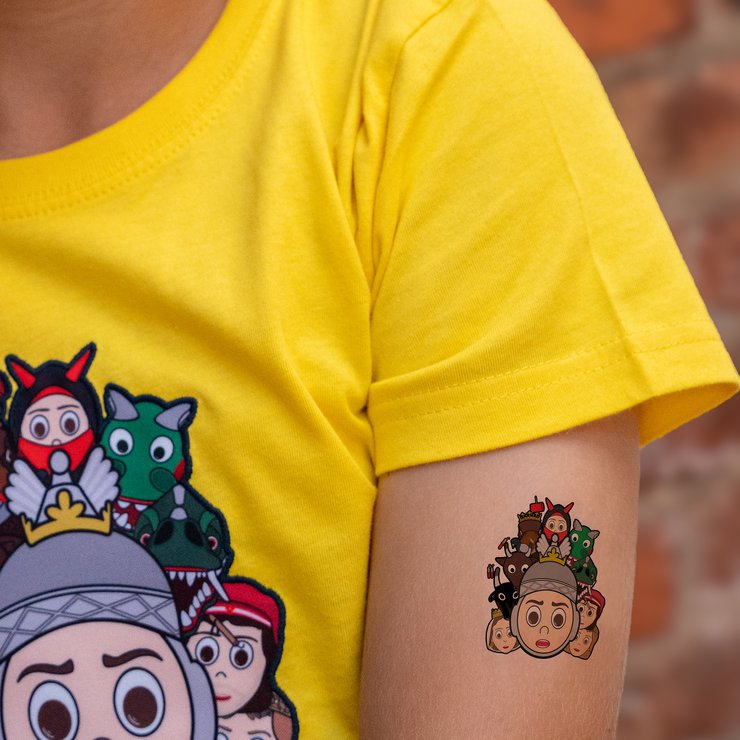
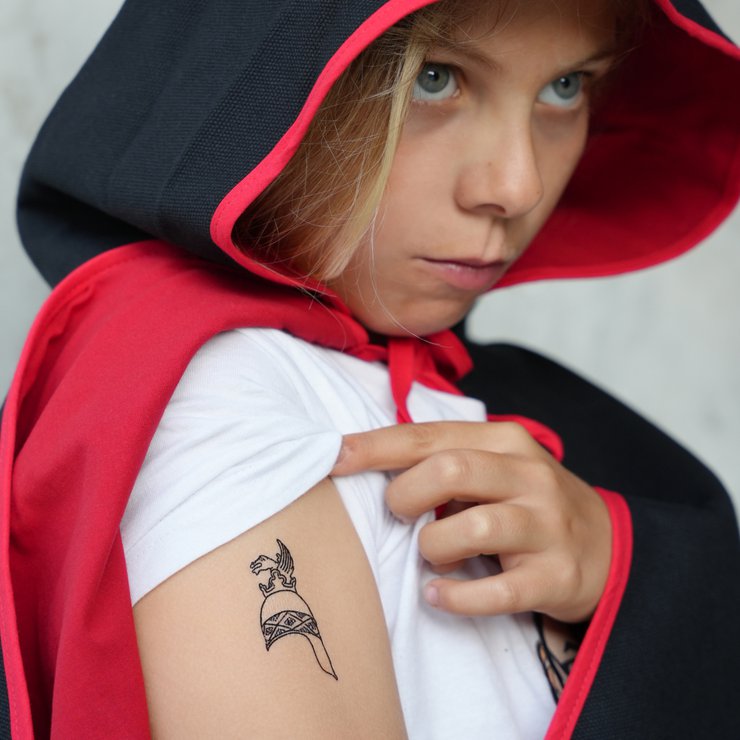
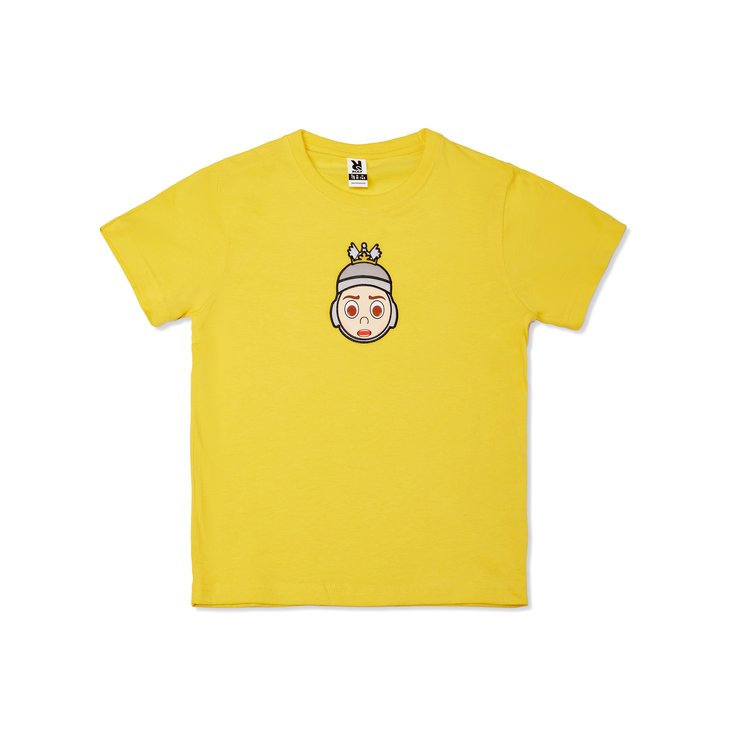
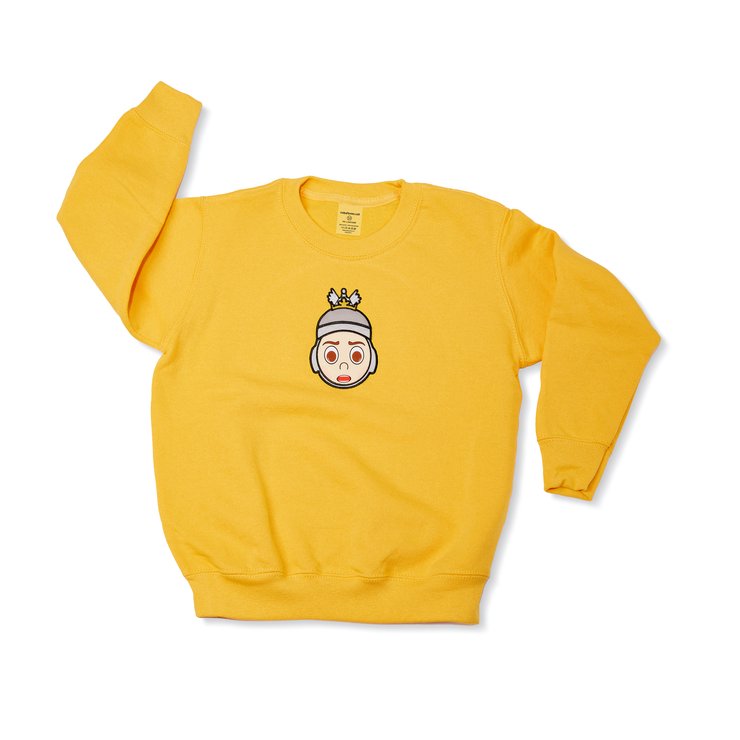
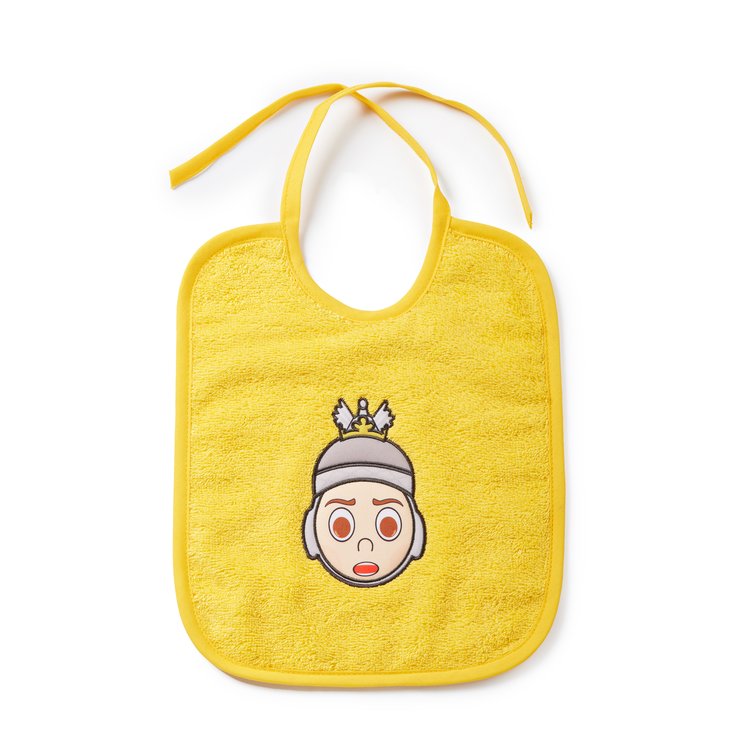
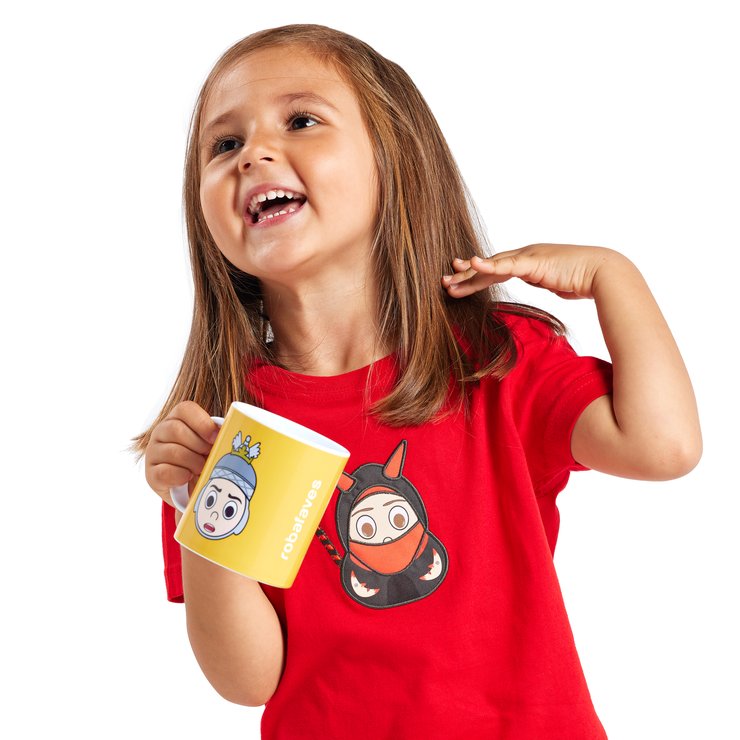
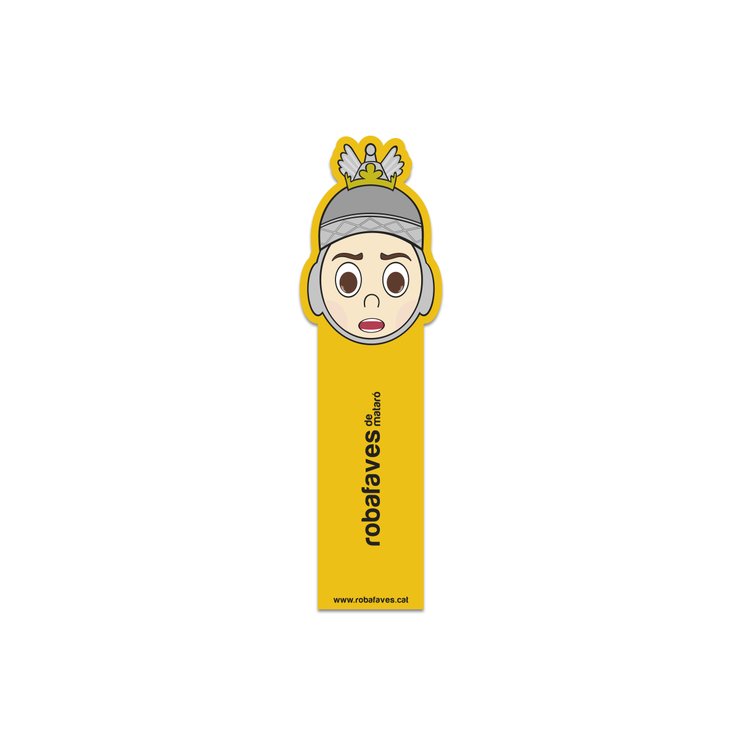
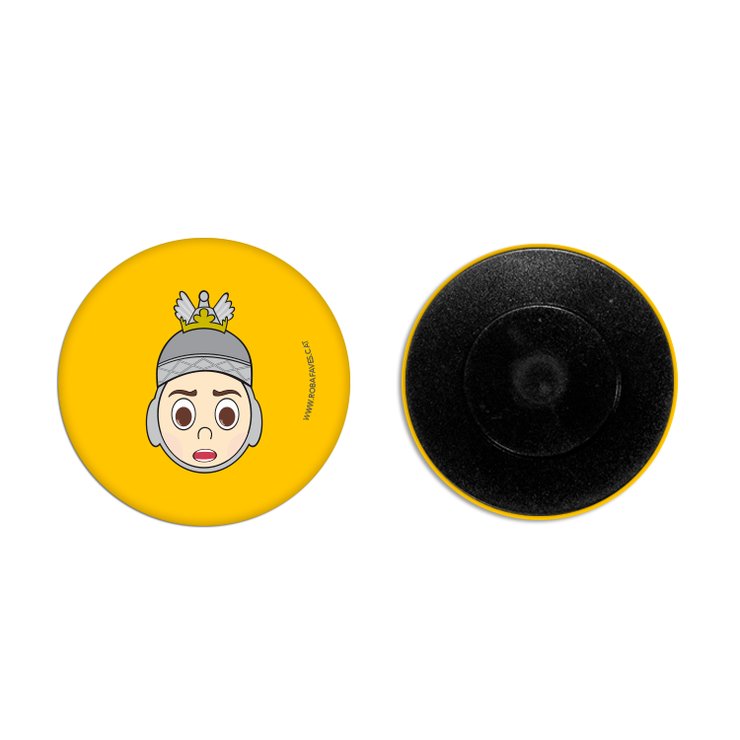
You can find products featuring Robafaves and the Giants of Mataró in the Robafaves online shop or in person at Espai Robafaves, at 7 Carrer de Montserrat in Mataró.