

Giants of Mataró — Robafaves Family, Nans and Bestiary
Giants of Mataró — Robafaves Family, Nans and Bestiary
The Giants of Mataró are one of the most emblematic expressions of the city’s popular culture. Documented since the late 17th century, they form part of Mataró’s institutional festive procession and play a central role in Les Santes, the city’s Festa Major.
The Família Robafaves is Mataró’s group of institutional giants and consists of Robafaves, the Geganta, Toneta and Maneló. They are accompanied by the 18 Nans and other figures in the festive procession, including the Àliga, Drac, Dragalió, Momerota and Momeroteta. The Diablesses complete the group of institutional festive elements associated with fire.
The Família Robafaves
The Família Robafaves consists of four giants: Robafaves, the Geganta, Toneta and Maneló. They dance to the sound of the flabiol and tamborí, traditional instruments of Catalan popular culture.
They appear on several important dates throughout the year, but it is during Les Santes that they take on a particularly prominent role. They participate in parades, dances and institutional events and are among the most representative elements of Mataró’s Festa Major.
The Família Robafaves and the Nans are one of the three elements of Les Santes recognised by the Government of Catalonia for their festive heritage value in 2010, together with the Missa de les Santes and the Dormida.
The origin of the name Robafaves
According to popular legend, the town of Argentona once invited the Giants of Mataró to perform. On their way back to Mataró, the giant bearers saw some large, beautiful broad beans growing in a field near the road and took as many as they could.
As they did not have enough room in their pockets, they hid the beans beneath the giant’s cape. When they arrived in Mataró, the children asked them to dance. As the giant spun around, the beans began to fall to the ground and the crowd shouted: «Ha robat faves! Ha robat faves!» («He stole broad beans!»).
This is the popular legend that explains the origin of the name Robafaves. The name was first officially documented in 1888.
The 18 Nans of Mataró
The Nans of Mataró have accompanied the Família Robafaves since 1864, when they first appeared in the official Festa Major programme. Today there are 18 of them and they are carried by children. During the parades, they precede the Giants and have a particularly close connection with younger participants through their running and dancing.
The 18 Nans of Mataró are: the Bufó, the Pagès, the Bruixa, the Macer seriós, the Macer rialler, the Follet, the Arlequí, the Xinès, the Mulata, the Comte, the Moro, Carrau, the Vella Blava, the Vella Verda, Patufet, Jonàs, Mataties and Biada.
Mataró’s bestiary and institutional festive procession
Mataró’s institutional festive procession is made up of different figures, groups and elements of the city’s popular culture.
The order of the procession is always the same: the Diablesses, the Momeroteta, Momerota, Dragalió, Drac, Nans, Família Robafaves and Àliga.
The Nans therefore precede the Família Robafaves —consisting of Robafaves, the Geganta, Toneta and Maneló— while the Àliga closes the procession.
- The Àliga: The most solemn figure in the procession, taking part in its most institutional events. During the Crida, the Àliga emerges from inside Mataró City Hall.
- The Drac: Inspired by the dragon that Robafaves wears on his helmet. It was presented on 20 April 1991 and is one of the main fire figures of Les Santes.
- The Dragalió: The son of the Drac de Mataró and the Víbria del Poblenou. It plays a particularly prominent role in the children’s events of Les Santes, together with the Momeroteta.
- The Momerota and Momeroteta: Mother and daughter. The Momerota is one of the most emblematic figures of Mataró’s fire bestiary and is closely associated with the Escapada a Negra Nit. The Momeroteta takes part especially in children’s events.
The Diablesses de Mataró
The Diablesses de Mataró are an all-female fire group founded in 1985. They are not a bestiary figure, but a group of performers who take part in several fire events during Les Santes.
They host the Escapada a Negra Nit, the major correfoc of Mataró’s Festa Major, and are one of the most recognisable elements of Les Santes.
History of the Giants of Mataró
The Giants of Mataró are historic giants documented since the late 17th century, when they belonged to the Confraria de la Minerva.
1848 was a particularly significant year for Mataró: the first railway line on the Iberian Peninsula, between Barcelona and Mataró, was inaugurated, and Manuel Blanch’s Missa de Glòria was performed for the first time. Five years later, the giant figures were restored and Toneta was added.
In 1930, the Giants largely adopted the appearance by which they are known today: Robafaves took on the appearance of King James I, while the Geganta and Toneta were dressed in keeping with this aesthetic.
In 1950, Toneta married Maneló, son of the Giants of Terrassa, restoring the male young giant figure to the Família Robafaves.
With the return of democracy, from 1979 onwards, a group of young people from the Foment Mataroní promoted a renewal of the Festa Major under the slogan «Les Santes, fem-ne Festa Major». The Giants and the institutional festive groups took on a central role in this new era of Les Santes.
When do the Giants of Mataró appear?
The Giants of Mataró appear mainly for Sant Jordi, on 23 April, and during Les Santes, from 25 to 29 July.
During Les Santes, the Família Robafaves takes part in many of the main events of the institutional festive procession, including the Crida, Desvetllament Bellugós, Convidada, Anada a Ofici, Desfilada, Passada, Anada a la Residència, Postal de Gegants, No n’hi ha prou and Anem a Tancar.
Frequently asked questions about the Giants of Mataró
Who are the members of the Família Robafaves?
The Família Robafaves consists of four giants: Robafaves, the Geganta, Toneta and Maneló.
How many giants are there in the Família Robafaves?
The Família Robafaves consists of four giants.
Why is the giant called Robafaves?
According to legend, the name was given to the giant after his bearers hid broad beans taken from a field near Argentona beneath his cape. During a dance, the beans fell to the ground. The name Robafaves was first documented in 1888.
How many Nans are there in Mataró?
There are currently 18 Nans. They have accompanied the Família Robafaves since 1864 and are carried by children.
How long have the Giants of Mataró been documented?
The Giants of Mataró have been documented since the late 17th century.
What is the order of Mataró’s institutional festive procession?
The order is always the same: the Momeroteta, Momerota, Dragalió, Drac, Nans, Família Robafaves and Àliga.
When do the Giants of Mataró appear?
Mainly for Sant Jordi, on 23 April, and during Les Santes, from 25 to 29 July.
What is the most solemn figure in Mataró’s procession?
The Àliga is the most solemn figure and takes part in the most institutional events of Les Santes.
Where can I buy Giants of Mataró products?
At Robafaves, at 7 Carrer de Montserrat in Mataró, and in our online shop. You can find Giants of Mataró and Les Santes products all year round, including T-shirts, mugs, games, magnets, books, bookmarks and temporary tattoos.
Les Comparses de Mataró
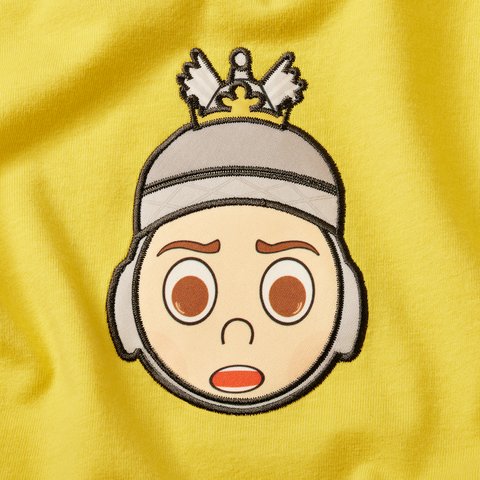
Robafaves, head of the Família Robafaves and one of the Giants of Mataró, is one of the most representative figures of Les Santes.
+ Info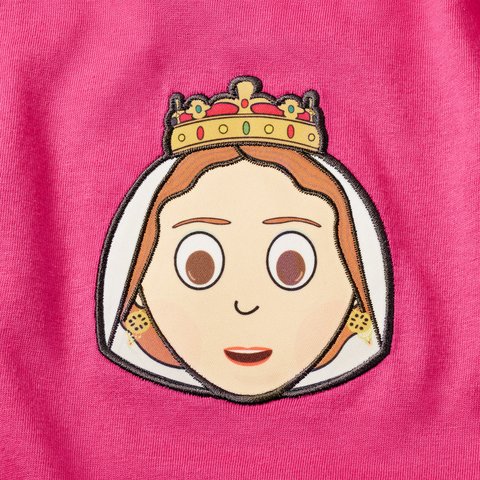
The Geganta, Robafaves’ partner and a member of the Família Robafaves, is one of the Giants of Mataró and one of the most representative figures of Les Santes.
+ Info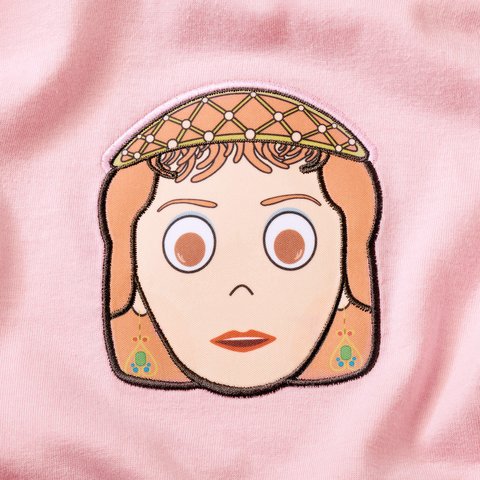
Toneta, daughter of Robafaves and the Geganta, is one of the Giants of Mataró and a member of the Família Robafaves. Her history dates back to the mid-19th century.
+ Info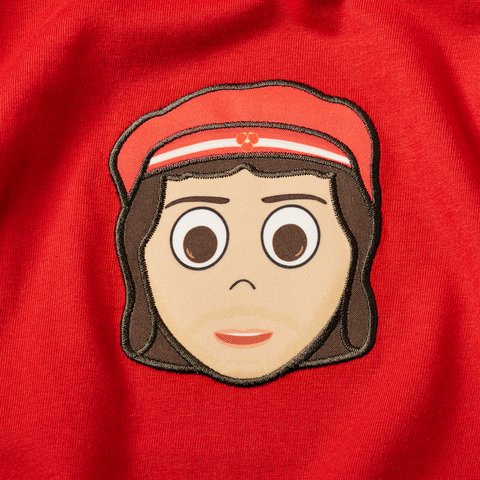
Maneló, Toneta’s husband and the son-in-law of Robafaves and the Geganta, has been one of the Giants of Mataró and a member of the Família Robafaves since 1950.
+ Info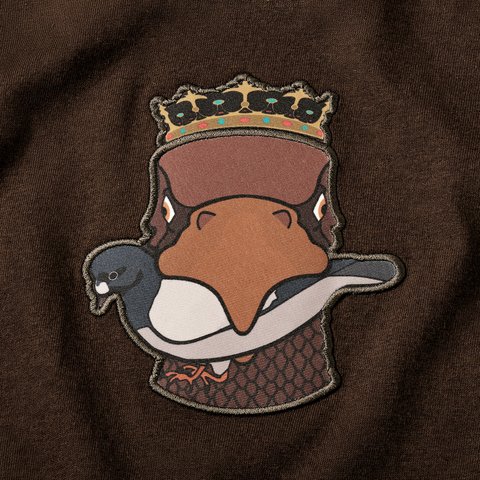
The Àliga of Mataró is one of the historic figures of the city’s institutional procession. Documented since 1601, it was revived in 1987.
+ Info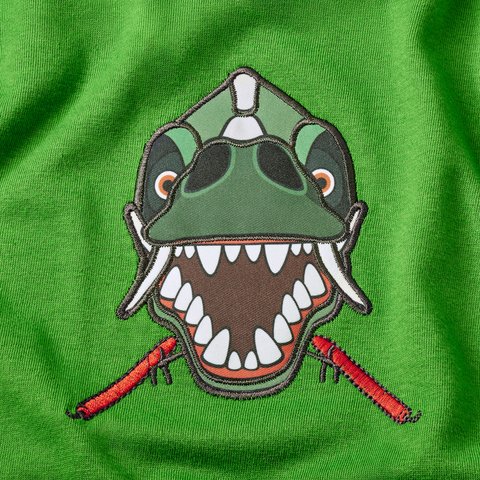
The Drac of Mataró is a fire figure from the city’s festive tradition, unveiled in 1991 and inspired by the winged dragon on Robafaves’ helmet.
+ Info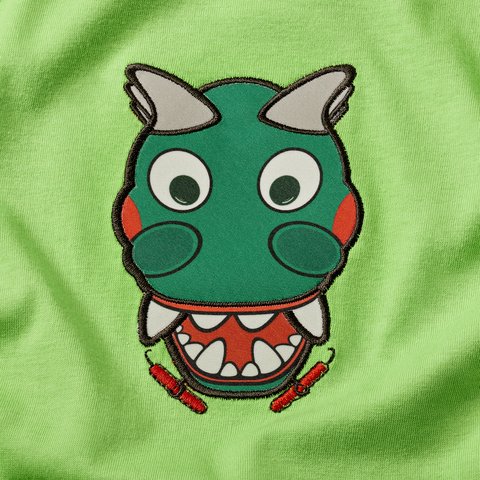
The Dragalió of Mataró is a young fire figure linked to the Drac of Mataró. It was created in 2007 and takes part in several events during Les Santes.
+ Info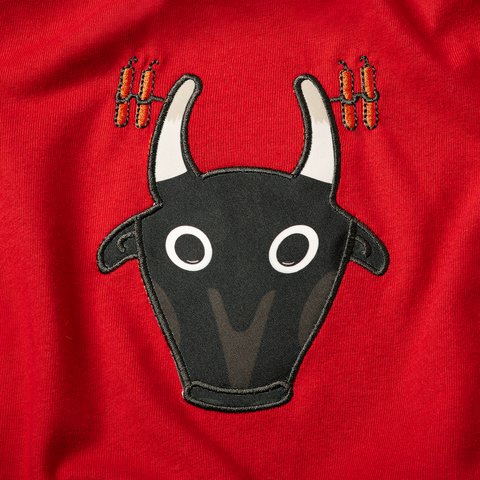
The Momerota of Mataró is a fire figure of Les Santes, first presented in 1979. With a bull’s head and mule-shaped body, it is one of the city’s festive figures.
+ Info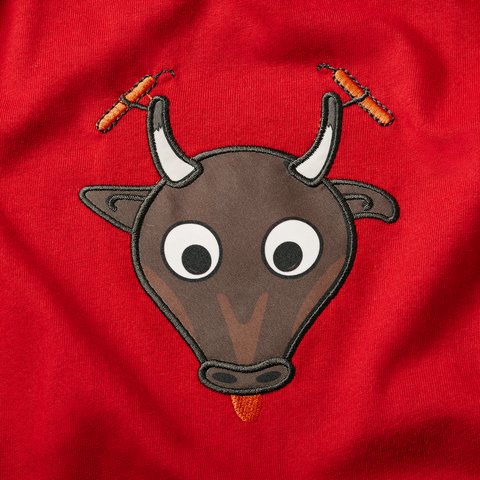
The Momeroteta of Mataró is a young fire figure and the daughter of the Momerota. It was presented during Les Santes in 1982 and takes part in the Correguspira.
+ Info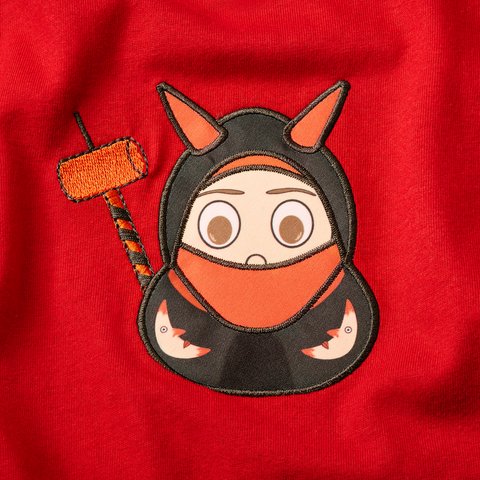
The Diablesses of Mataró are an all-women fire group founded in 1985 and closely linked to Les Santes and Mataró’s popular culture.
+ Info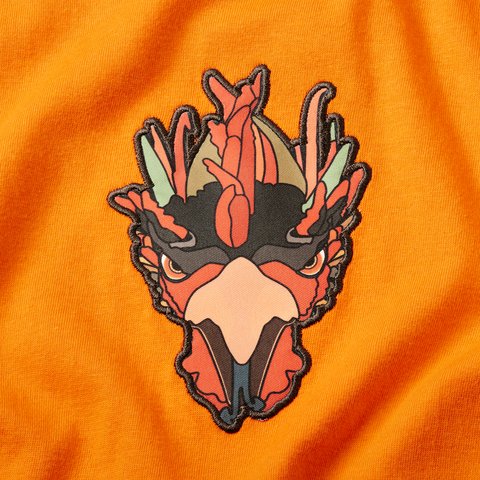
The Basilisc of Mataró is a fire figure inspired by the mythological creature combining features of a serpent and a rooster. It has 10 fire points and takes part in L’Encesa de Mataró.
+ Info